Inflammation Nation: Why So Many Medicinal Plants Target It
Start digging into the world of medicinal plants, and a pattern quickly emerges: almost every one of them claims to fight inflammation.
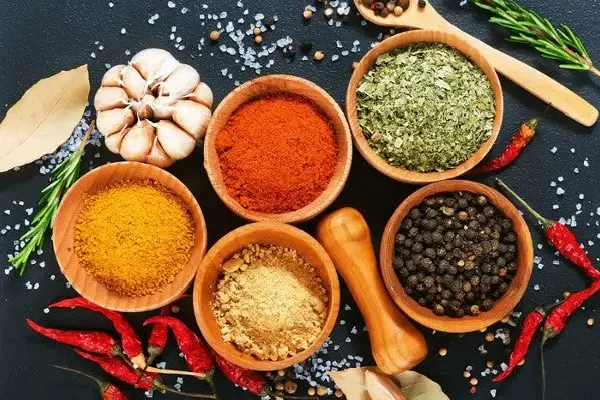
Turmeric? Check.
Ginger? Definitely.
Stinging nettle, willow bark, mullein, holy basil, marshmallow root? All on the same team.
It’s not a coincidence. It’s a clue.
The Body’s Alarm System
Inflammation is the red flag… and it’s how the body says, “Something’s wrong.” When that warning never shuts off, chronic low-grade inflammation becomes the real problem.
Medicinal plants help calm the immune system, support healing, reduce oxidative stress, and get you back to baseline.
Not a Cure-All, but a Call-Out
Some herbs aren’t miracles, but when you see “anti-inflammatory” in herbal literature, pay attention—it’s nature’s signpost.
Plants don't fix everything, but they reflect something vital: when the world’s out of balance, nature hands you the tools to balance it.
Top 3 Wild Anti-Inflammatory Herbs to Know
- Plantain (Plantago major): Found in lawns and paths, plantain’s aucubin and allantoin soothe tissue, reduce swelling, and speed skin repair. A poultice of crushed leaves works wonders on bites and cuts.
- Dandelion (Taraxacum officinale): A vitamin-packed powerhouse, dandelion greens and roots detoxify and calm digestive inflammation—steep as tea to soothe your gut and support liver health.
- Yarrow (Achillea millefolium): With its feathery leaves and clusters of tiny flowers, yarrow’s flavonoids and tannins temper swelling and boost circulation. Enjoy as tea or infused oil for joint relief.