Coltsfoot: Not Your Average Dandelion

You ever spot a bright yellow flower peeking up through the cold spring soil and think, “Dandelions already?”—only to discover the leaves haven’t even RSVP’d to the party yet? Surprise! You just met Tussilago farfara, better known as Coltsfoot.
So What Is It?
Coltsfoot is a perennial herb from the daisy family, though it tries real hard to cosplay as a dandelion in early spring. Native to Europe and parts of Asia, it's made itself quite comfortable in North America, popping up in disturbed soils, roadsides, and the occasional rebel garden bed.
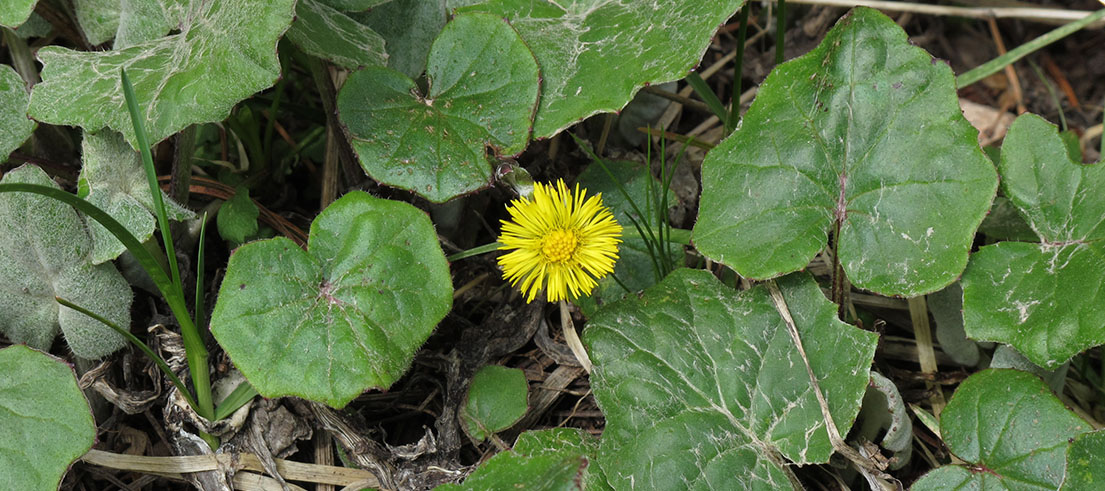
Leaves? Eventually.
Once the flowers have strutted their stuff and gone to seed, then the leaves appear—big, hoof-shaped, and totally different in vibe. They look kinda like a hybrid of a lily pad and a throw pillow. These leaves are where the name “Coltsfoot” comes from—because apparently someone looked at them and thought, “Yep. That’s a horse hoof.”
Medicinal Throwback
Back in the day, coltsfoot was a superstar of old-school apothecaries. It was used:
- To ease coughs (its name literally means "cough dispeller")
- As a tea for lung support
- In herbal smoking blends (yep, folks smoked this stuff—don’t recommend, but hey, history!)
- Topically for wounds and inflammation
It’s one of those herbs that whispers, “I’ve been useful for centuries,” but also, “Please research me responsibly,” because modern science has mixed feelings due to naturally occurring alkaloids that can be harmful in large amounts. So, like anything powerful—use with respect, or just admire it in the wild and leave the medicinal use to trained herbalists.
Final Thought
If you see coltsfoot out and about, give it a nod of respect. It's an early riser, a dandelion imposter, and a living time capsule of traditional medicine. And now that you’re in the know, you can flex that wildflower wisdom whenever someone says, “Hey look, the dandelions are back!”